
Discover the Richness of Kerala’s Premium Spices

Kerala, often referred to as "God's Own Country," is a treasure trove of natural beauty and cultural richness. Among its many offerings, the state is renowned for its premium spices. These spices are not just ingredients; they are a part of Kerala's heritage and identity. From the lush green hills of the Western Ghats to the serene backwaters, the environment plays a crucial role in cultivating some of the finest spices in the world.
In this blog post, we will explore the various spices that Kerala has to offer, their unique characteristics, and how they can elevate your culinary experiences. Whether you are a seasoned chef or a home cook, understanding these spices will enhance your dishes and connect you to the vibrant culture of Kerala.
The Spice Garden of India
Kerala is often called the "Spice Garden of India." The state's climate, with its heavy rainfall and rich soil, creates the perfect environment for growing a variety of spices.
Some of the most popular spices from Kerala include:
Black Pepper: Known as the "king of spices," black pepper is a staple in many kitchens. It adds heat and depth to dishes.
Cardamom: Often referred to as the "queen of spices," cardamom has a sweet and aromatic flavor. It is used in both savory and sweet dishes.
Cloves: These aromatic flower buds add warmth and a slightly sweet flavor to dishes. They are often used in rice dishes and spice blends.
Cinnamon: Known for its sweet and warm flavor, cinnamon is used in both sweet and savory dishes. It is a key ingredient in many spice mixes.
Turmeric: This vibrant yellow spice is known for its health benefits and is a staple in Indian cooking. It adds color and flavor to dishes.
Each of these spices has its own unique flavor profile and culinary uses.
The Journey of Spices
The journey of Kerala's spices begins in the fields. Farmers cultivate these spices with care, often using traditional methods passed down through generations.
Cultivation Practices
Organic Farming: Many farmers in Kerala practice organic farming. This method not only preserves the environment but also enhances the quality of the spices.
Intercropping: Farmers often grow multiple crops together. This practice helps in pest control and improves soil health.
Harvesting: The spices are harvested at the right time to ensure maximum flavor. For example, black pepper is picked when it is still green and then dried to develop its characteristic flavor.
After harvesting, the spices undergo processing. This includes drying, grinding, and packaging. The goal is to preserve the freshness and flavor of the spices.
The Flavor Profiles of Kerala’s Spices
Understanding the flavor profiles of Kerala's spices can help you use them effectively in your cooking.
Black Pepper
Black pepper has a sharp, pungent flavor. It is versatile and can be used in a variety of dishes, from soups to marinades.
Cardamom
Cardamom has a sweet and floral aroma. It is often used in desserts, chai, and savory dishes.
Cloves
Cloves have a warm, sweet, and slightly bitter flavor. They are commonly used in rice dishes and spice blends like garam masala.
Cinnamon
Cinnamon has a sweet and woody flavor. It is used in both sweet and savory dishes, adding warmth and depth.
Turmeric
Turmeric has a warm, earthy flavor. It is often used in curries and rice dishes, adding both color and health benefits.
Culinary Uses of Kerala’s Spices
Now that we understand the spices and their flavor profiles, let's explore how to use them in your cooking.
Spice Blends
Kerala is known for its unique spice blends. Here are a few popular ones:
Garam Masala: A blend of spices that typically includes cloves, cinnamon, and cardamom. It is used in various dishes to add warmth and complexity.
Sambar Powder: A spice mix used in the famous South Indian dish, sambar. It usually contains coriander, cumin, and dried red chilies.
Rasam Powder: This blend is used to make rasam, a tangy soup. It often includes black pepper, cumin, and tamarind.
Cooking Techniques
Tempering: This technique involves frying spices in oil to release their flavors. It is commonly used in Indian cooking to enhance the taste of dishes.
Marinating: Using spices in marinades can infuse flavor into meats and vegetables. For example, marinating chicken with turmeric and black pepper adds depth to the dish.
Infusing: Adding spices to oils or broths can create flavorful bases for soups and sauces.
Health Benefits of Kerala’s Spices
Kerala's spices are not just flavorful; they also offer numerous health benefits.
Black Pepper
Black pepper is known for its antioxidant properties. It can aid digestion and improve nutrient absorption.
Cardamom
Cardamom is believed to have anti-inflammatory properties. It can also help with digestive issues and freshen breath.
Cloves
Cloves are rich in antioxidants and have anti-inflammatory properties. They can also help with dental health.
Cinnamon
Cinnamon is known for its ability to lower blood sugar levels. It also has anti-inflammatory and antioxidant effects.
Turmeric
Turmeric contains curcumin, which has powerful anti-inflammatory and antioxidant properties. It is often used in traditional medicine for its health benefits.
Sourcing Quality Spices
When it comes to spices, quality matters. Here are some tips for sourcing the best spices from Kerala:
Buy from Local Farmers: Purchasing directly from farmers ensures freshness and supports local communities.
Look for Organic Certification: Organic spices are often of higher quality and free from harmful chemicals.
Check for Freshness: Spices lose their flavor over time. Look for whole spices and grind them as needed for the best flavor.
Cooking with Kerala’s Spices: Recipes to Try
To help you get started, here are a couple of simple recipes that highlight Kerala's premium spices.
Kerala Chicken Curry
Ingredients:
500g chicken, cut into pieces
2 onions, sliced
2 tomatoes, chopped
1 tablespoon ginger-garlic paste
1 teaspoon turmeric powder
1 teaspoon red chili powder
1 teaspoon garam masala
2 tablespoons coconut oil
Salt to taste
Fresh coriander for garnish
Instructions:
Heat coconut oil in a pan. Add sliced onions and sauté until golden brown.
Add ginger-garlic paste and sauté for a minute.
Add chopped tomatoes, turmeric powder, red chili powder, and salt. Cook until the tomatoes are soft.
Add chicken pieces and cook until they are browned.
Add water to cover the chicken and simmer until cooked through.
Stir in garam masala and cook for another 5 minutes.
Garnish with fresh coriander and serve with rice or bread.
Spiced Vegetable Sambar
Ingredients:
1 cup mixed vegetables (carrots, beans, potatoes)
1/2 cup toor dal (pigeon peas)
1 tablespoon sambar powder
1 teaspoon turmeric powder
1 tablespoon tamarind paste
2 tablespoons coconut oil
Salt to taste
Fresh coriander for garnish
Instructions:
Cook toor dal in water until soft. Mash and set aside.
In a pot, add mixed vegetables, turmeric powder, and salt. Add water and cook until the vegetables are tender.
Stir in the mashed dal, sambar powder, and tamarind paste. Simmer for 10 minutes.
Heat coconut oil in a small pan. Add mustard seeds and let them splutter. Pour this tempering over the sambar.
Garnish with fresh coriander and serve with rice or idli.
Embracing the Spice Culture
Kerala's spices are more than just ingredients; they are a reflection of the state's culture and history. By incorporating these spices into your cooking, you not only enhance your dishes but also connect with the rich traditions of Kerala.
As you explore the world of Kerala's spices, remember to experiment and have fun in the kitchen. Each spice has its own story and flavor, waiting to be discovered.
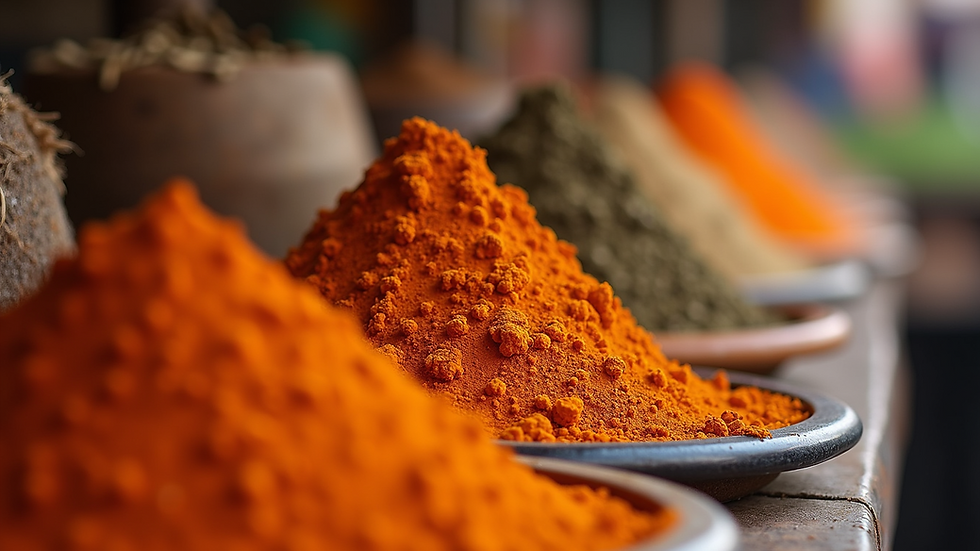
The next time you cook, consider reaching for a spice from Kerala. Whether it's a pinch of black pepper or a sprinkle of cardamom, these spices will surely elevate your culinary creations.
In the end, the richness of Kerala's spices is not just in their flavor but in the stories they tell and the connections they create. So, go ahead and embark on your spice journey, and let the flavors of Kerala inspire your cooking adventures.


Comments